01 Why this is in a product design portfolio
Since 2011 I've designed, manufactured and sold physical products — $1M+ cumulative revenue, six figures a year, across eight sales channels, with wholesale into Weir's Furniture and curated placement at West Elm. Production, fulfillment and support were mine until they didn't have to be.
It's here because it's the clearest version of the thing I claim to do. A design system lets ten product teams move without me in the room. This does the same trick with print files, packaging and people I hired.
I built the machine, then handed over the keys. That's the same skill whether the output is a component library or a shipping label.
02 What actually sells
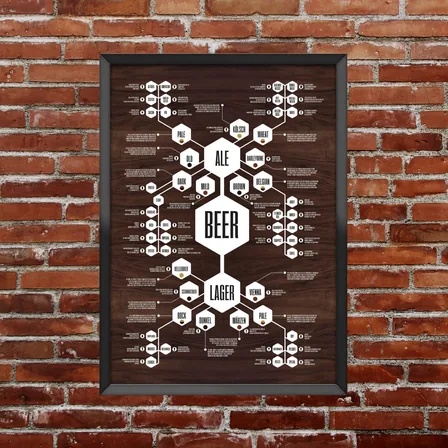
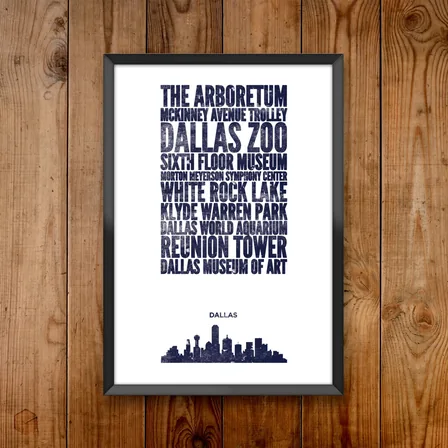
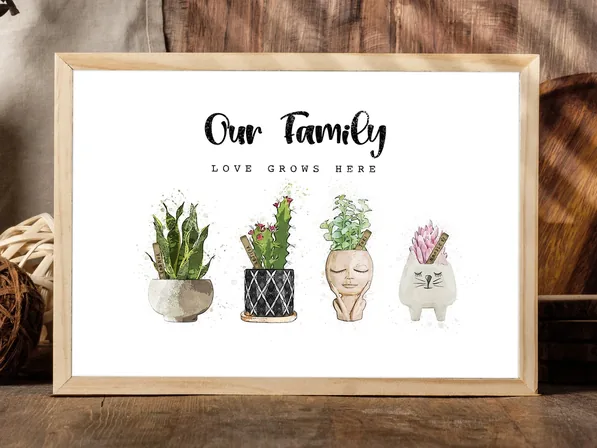
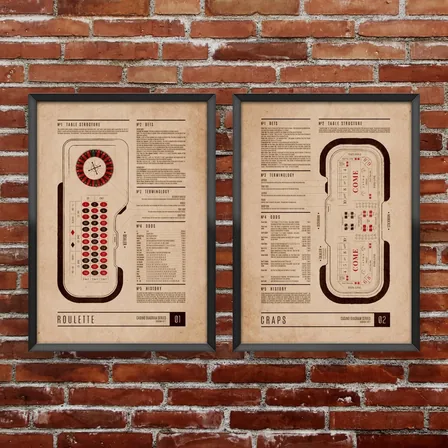
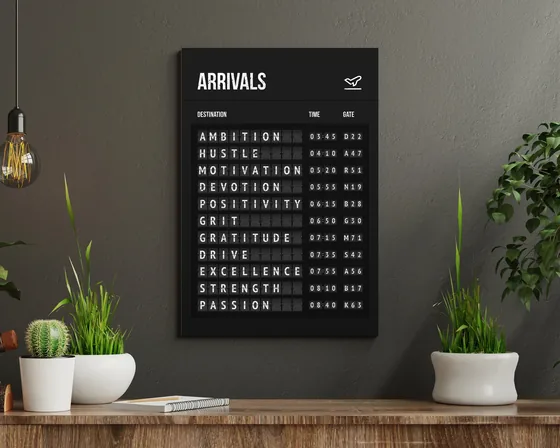
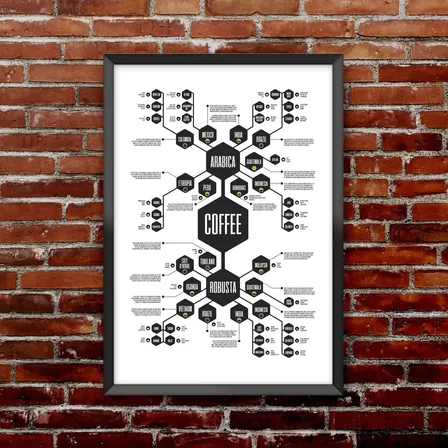
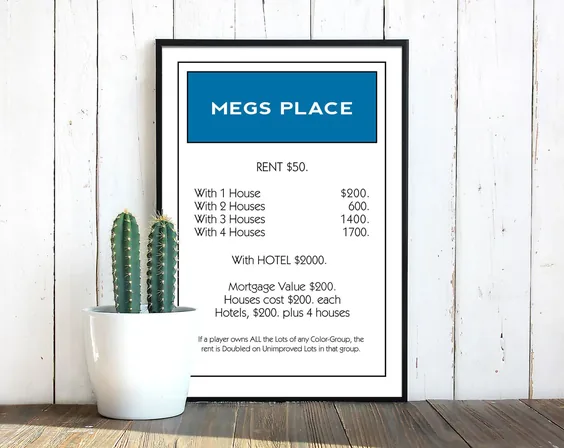
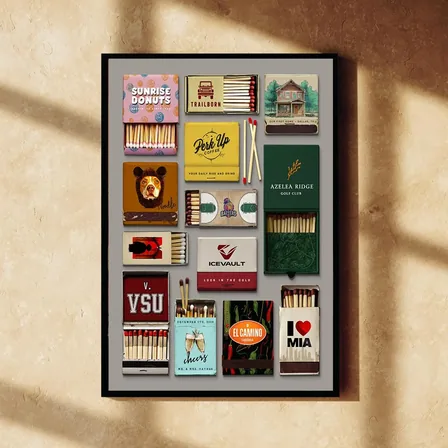
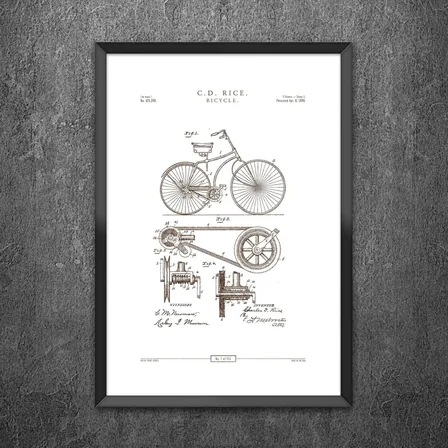
Below is a fraction of what we’ve made. I like maybe half of it. The market picked the other half, and the market was right — the biggest seller on the whole catalog is a personalized floral print I would never hang in my own house.
Designing for a market you’re not personally in is a different job from designing for yourself. It means running the test instead of trusting the instinct, and shipping the winner even when the winner isn’t to your taste. Fifteen years of that has made me much harder to argue with about my own preferences.





03 One design, thousands of unique products
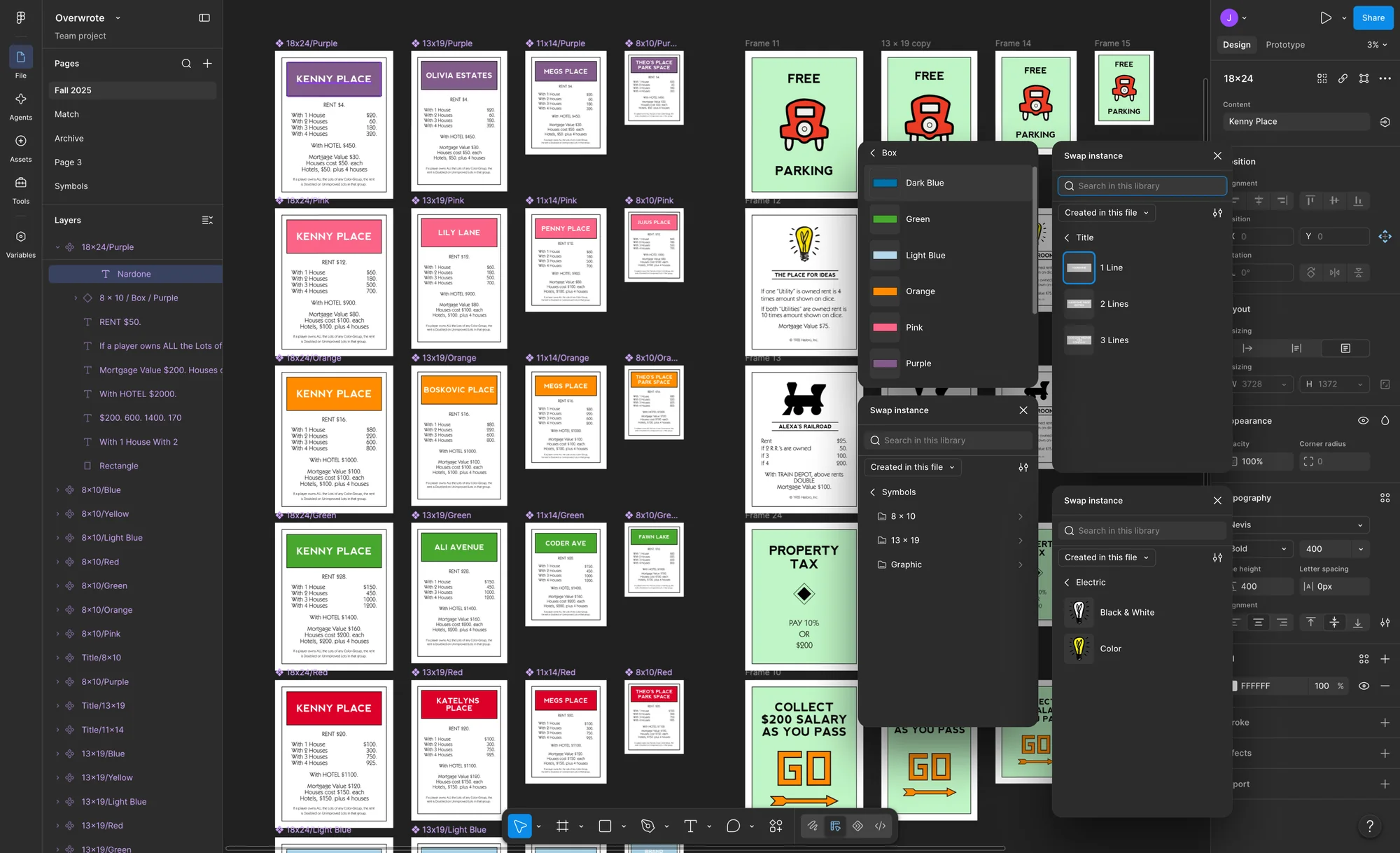
Almost everything sold is personalized — a name, a set of birth flowers, a house, a pet, a date. Which means no listing is really a product. Each one is a template with defined variables: what's fixed, what's editable, what happens at every combination, and what a staff member needs in front of them to produce it correctly without asking me.
That's a component API wearing a different hat. Define the variants, define the constraints, make the variable parts genuinely variable.
A single personalized birth-flower print has sold 4,460 times for $184,363. Every one of those is a different artifact — different names, different flowers, different arrangement — produced from one parametric design by people who weren't involved in making it.
Listing titles read like keyword soup because they are. Each is a deliberate search surface built from how people actually shop — occasion, recipient, relationship, format — not from what I'd call the product. Getting that wrong means a beautiful item nobody finds.
Categories and titles are withheld below. They’re the research, and they’re still earning.
| Listing | Views | Favorites | Orders | Revenue |
|---|---|---|---|---|
| 111,228 | 4,118 | 4,460 | $184,363.71 | |
| 37,396 | 1,221 | 729 | $47,233.90 | |
| 46,415 | 2,859 | 1,650 | $34,793.67 | |
| 21,039 | 863 | 783 | $30,093.54 | |
| 35,312 | 1,972 | 880 | $25,019.86 | |
| 27,019 | 1,293 | 760 | $21,442.68 | |
| 8,634 | 381 | 385 | $9,983.10 | |
| 9,292 | 362 | 272 | $7,007.58 | |
| 9,989 | 458 | 315 | $6,984.86 | |
| 11,595 | 371 | 235 | $6,497.57 |
The top listing outsells the tenth by twenty-eight to one. You don’t find a ratio like that by planning — you find it by shipping enough things, cheaply enough, to be wrong most of the time and still be in business when one lands.
Top ten by revenue, one reporting period, Etsy only. Product names and imagery withheld — the categories are the research, and they’re still earning. Etsy is the primary channel today but not the only one: Amazon, Walmart, eBay, Rakuten, Shopify, Tophatter, Touch of Modern and wholesale sit outside these figures entirely.
04 What the numbers actually show
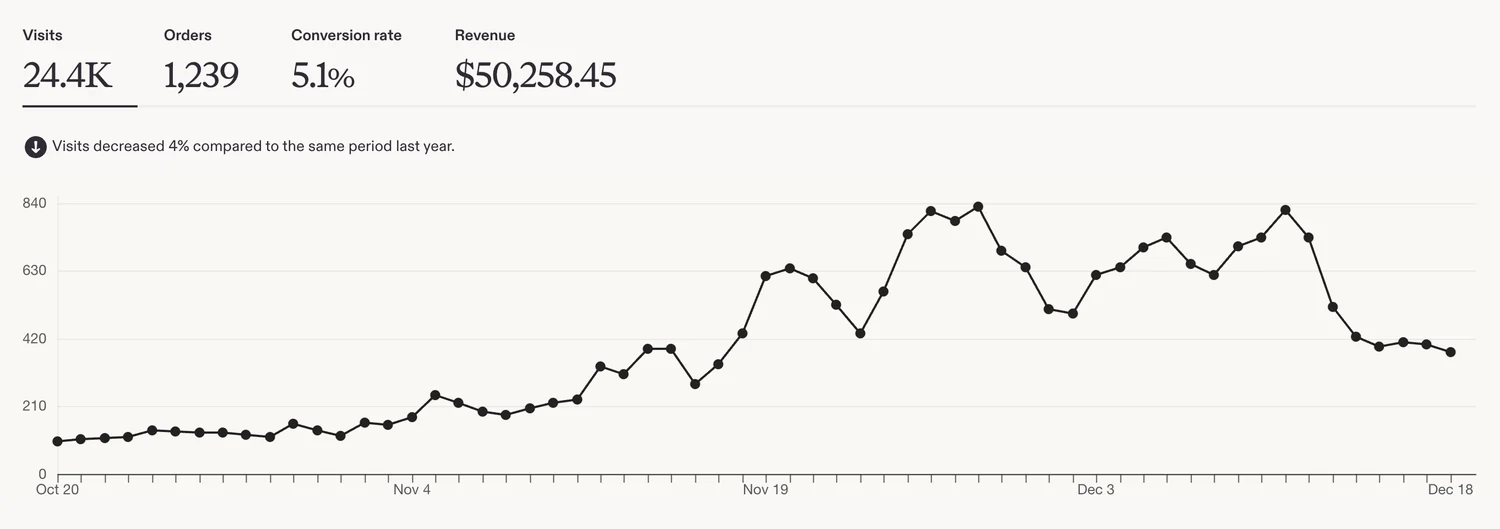
Across a 60-day holiday window: 24.4K visits, 1,239 orders, $50,258 in revenue at a 5.1% conversion rate. Marketplace listings typically convert in the low single digits. And visits were down 4% year over year across that same window — revenue wasn’t.
That gap is the part I’d point at. Fewer people arrived and more of them bought, which is a product and listing problem rather than a traffic problem.
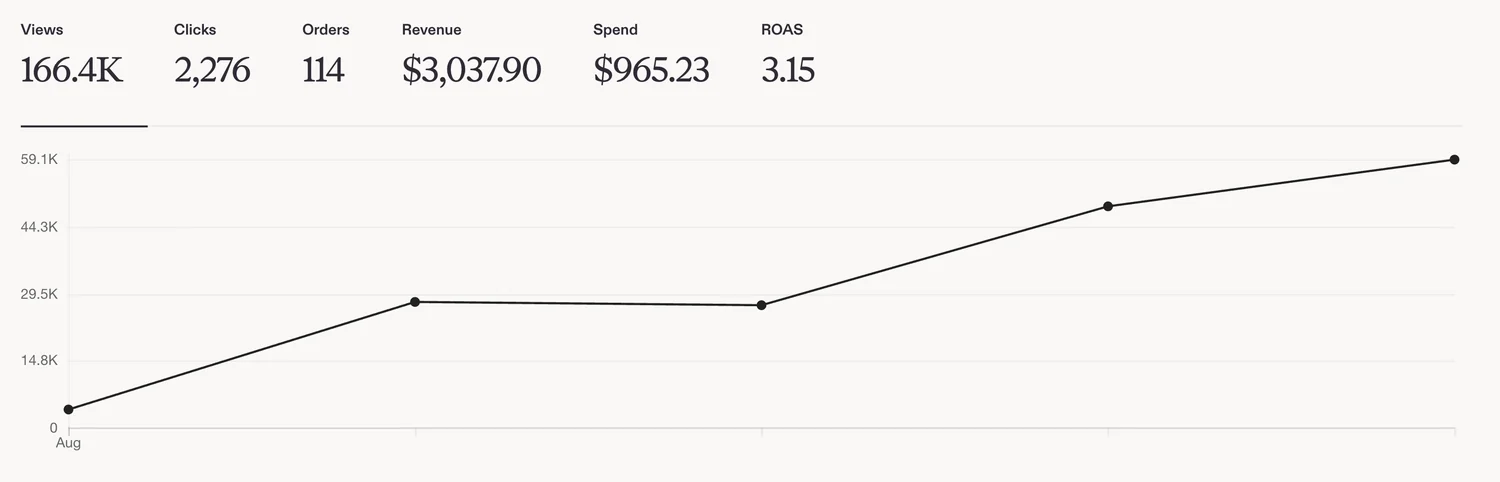
A deliberately small test: $965 of spend returning $3,038 — a 3.15x return on 166.4K views and 2,276 clicks. The budget is the point. It was never meant to drive volume; it was meant to answer whether the listings convert cold traffic with no search-ranking advantage behind them.
They do. Which means the organic performance above isn’t just an artifact of accumulated reviews and search position.
05 Creating demand, not capturing it
Everything above is demand capture. Someone is already searching for a personalized gift; the job is to rank and convert. Crowdfunding is the opposite problem: nobody knows the thing exists, it isn’t made yet, and strangers have to pre-pay anyway.
Across a run of campaigns I raised $171,055 on Kickstarter — City Prints, Big City Prints, Monogram, the Coffee & Tea Poster Series, Vodka & Gin Diagram Posters, Drink Diagrams 2.0 and others. Several went on to become permanent listings in the shops.
The first one is still the one I’d point at. City Prints raised $36,055 from almost 1,000 backers in under 30 days — with no email list, no ads and no marketing. Just the product, the page, and whether the idea was any good.
That’s the same distribution as the listings table, on a different platform: most land modestly, some fail outright, occasionally one runs away. Two channels, no shared mechanics, identical shape. It stopped looking like luck once I saw it twice.
A campaign that doesn’t fund is also the cheapest possible market research — you learn the product was wrong before manufacturing a single unit.
Figures cover campaigns through 2023 and exclude Indiegogo entirely. Full history: kickstarter.com/projects/haynes.
One product — a playing card deck — was produced by Bicycle, and it’s still for sale. Getting a deck through the dominant manufacturer in the category means meeting their specs, not yours: stock, finish, cut, tolerances, minimums. The same conversation as West Elm, in a different aisle.

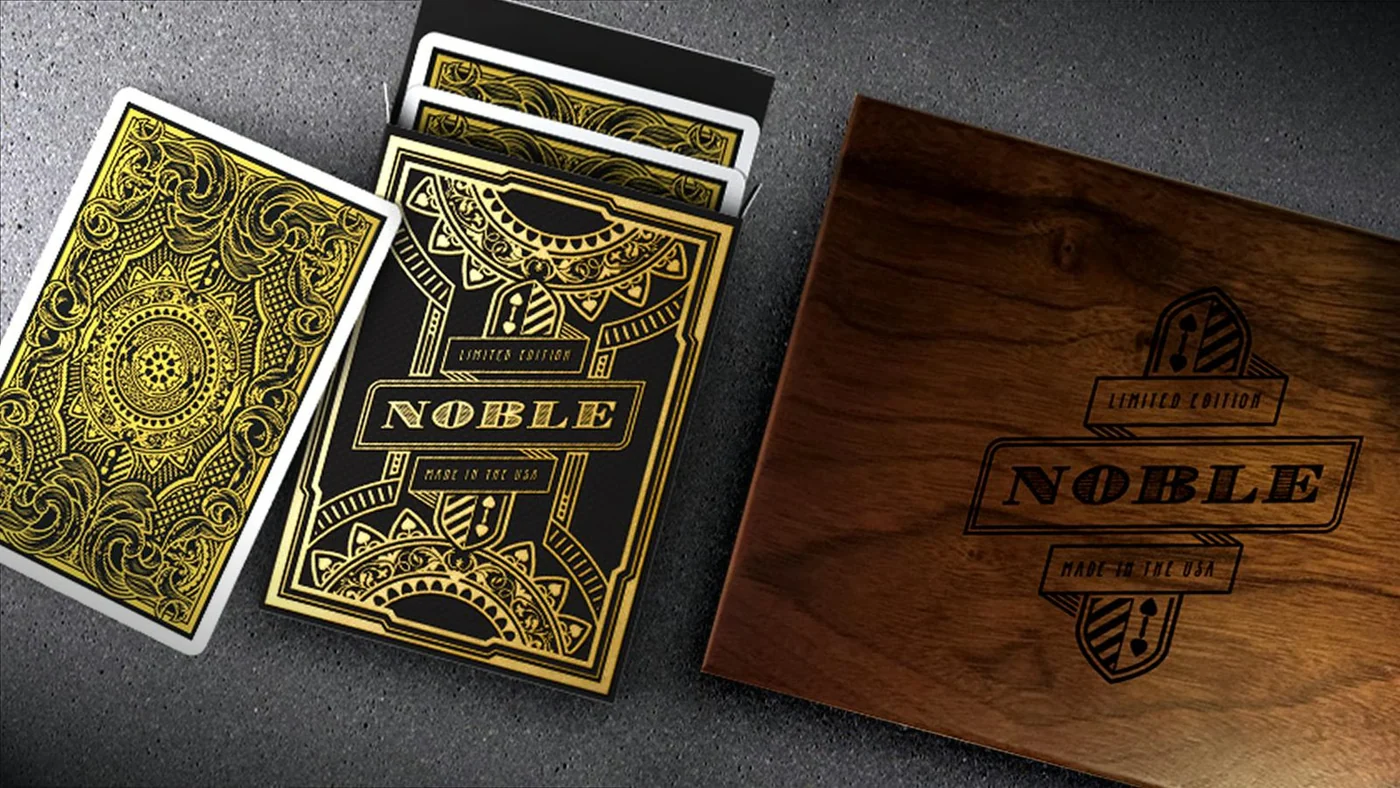
Noble, produced by Bicycle. Every element is a manufacturing decision before it’s an aesthetic one — foil coverage, emboss depth, card stock, cut, and a walnut box that had to survive shipping. Court cards, pips and back pattern all redrawn.
Campaigns that funded on Kickstarter were re-listed on Indiegogo’s marketplace afterwards, then folded into the e-commerce catalog. One product, three distribution models, one set of source files — the same core-plus-local pattern as the eight-channel catalog.
06 Built to be handed off
Amazon, Etsy, Walmart, eBay, Rakuten, Shopify, Tophatter and Touch of Modern. Each has its own listing schema, image rules and buyer expectations. Maintaining eight bespoke catalogs would have been unsurvivable, so there's one source of truth and channel-specific transforms — core-plus-local again, in a different domain.
Wholesale to Weir's Furniture and curated placement at West Elm. Retail buyers evaluate on entirely different criteria than marketplace shoppers: consistency, lead time, and whether you can fulfil a reorder without drama.
Production, shipping logistics and support all run on documented process, operated day to day by an assistant. My involvement is design and exceptions. The 4.9-star average across ~2,900 reviews is the number that tells me the handoff actually worked — it's held up while I wasn't the one packing boxes.
Across three shops. 9,759 follow-up offers emailed automatically.
Returning audience that doesn’t need paid acquisition.
4.9-star average across all three shops.
6,125 thank-you offers sent without anyone writing one.
Largest single shop. Reach spans 31 countries.
Favorites, thank-yous and cart nudges — all rules, no hands.
Combined across three shops. The last card is the one that matters most to me: seventeen thousand pieces of customer contact that nobody had to send.
07 Results
Several shops from earlier years are closed and their dashboards are gone — their revenue is inside the cumulative total but not inside any figure shown here. Design and brand consulting runs alongside the product business — clients include Haworth, Brunswick and MARS.
08 What it taught me that Figma didn't
Margin is a design constraint. When a decision costs $1.40 a unit and you sell thousands, taste has an invoice attached. It made me much faster at telling a real improvement from a preference.
There is no patch release. Ship a flawed physical product and you've shipped it — the fix is a returns process. That builds a specific rigour about what gets checked before it goes out the door.
Handoff is the whole job. The business only became worth having once it ran without me. It took me years to notice this was the same instinct driving how I build design systems.
What I'd do differently: I documented the operation after I was already drowning, not before. The same mistake I made with design system conventions, in a different decade.